

Serious violence, knives and weapons
Facing Allegations of Serious Violence & Assault Offences
Being accused of a serious violent or assault offence can have life-changing consequences, from long prison sentences to lasting damage to your reputation, career, and personal relationships.
At MC Solicitors, we specialise in defending clients against complex allegations of violence and assault. Whether you’ve been arrested, charged, or invited to a voluntary police interview, early legal representation is essential. We act quickly to safeguard your rights, challenge the prosecution’s evidence, and build a strong defence strategy.
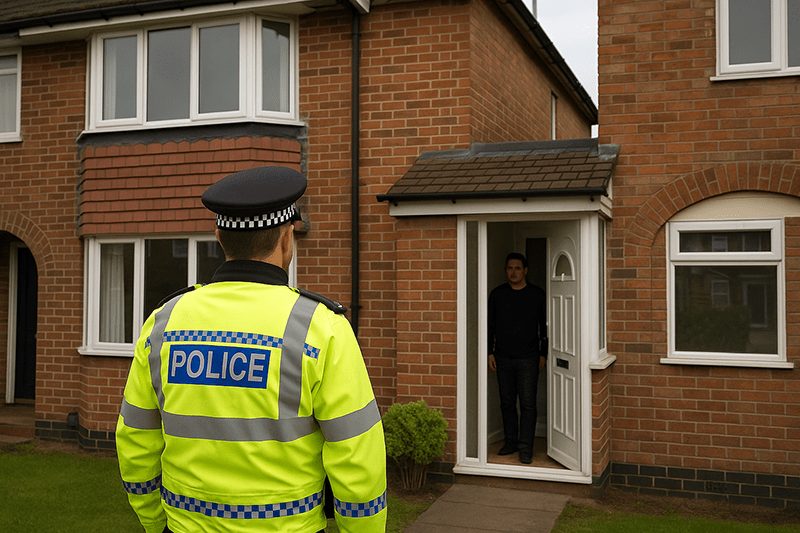
Levels of assault · ABH · GBH · Common assault · The law · Determining level of injury · Sentencing
Types of Serious Violence & Assault Offences We Defend
We represent clients facing all types of serious violence and assault allegations, including:
GBH & ABH – We defend clients accused of causing serious or moderate injury, challenging intent and evidence.
Common Assault Defence – Even minor allegations of assault can have major consequences — we ensure your rights are protected.
Domestic Violence Allegations – Sensitive and complex cases require careful handling — we defend you with discretion and expertise.
Murder & Manslaughter – Specialist defence in the most serious cases, including murder, manslaughter, and corporate manslaughter.
Knife Crime & Weapon Offences – We defend against possession or use of knives and weapons, aiming to reduce the impact on your future.
Kidnapping & False Imprisonment – Robust defence for allegations of unlawful restraint, abduction, and related charges.
What is Classified as a Serious Violence & Assault Offence?
Serious violence and assault offences cover a wide range of allegations, from minor altercations to life-threatening attacks. These offences are treated with the utmost seriousness by the police and courts, often carrying lengthy custodial sentences if convicted.
Examples of serious violence and assault offences include:
- Murder and manslaughter — the most serious charges under criminal law
- Grievous Bodily Harm (GBH) — causing severe injury, with or without intent
- Actual Bodily Harm (ABH) — assaults leading to moderate injury
- Common assault — threatening or causing someone to fear violence
- Domestic violence — offences within a family or relationship setting
- Knife crime and weapon offences — carrying, using, or threatening with a weapon
- Kidnapping and false imprisonment — detaining or restraining someone unlawfully
Whatever the allegation, our solicitors act quickly to protect your rights, challenge the evidence, and build the strongest possible defence.
Understanding Serious Violence & Assault Offences
Violence and assault offences are taken extremely seriously in the UK justice system. The law looks closely at two key factors — the level of injury caused and the intent behind the act. These determine whether a case is treated as minor, serious, or life-threatening.
Sentencing can vary widely: some cases may result in fines or community orders, while others can lead to lengthy prison terms, particularly where weapons or serious injuries are involved.
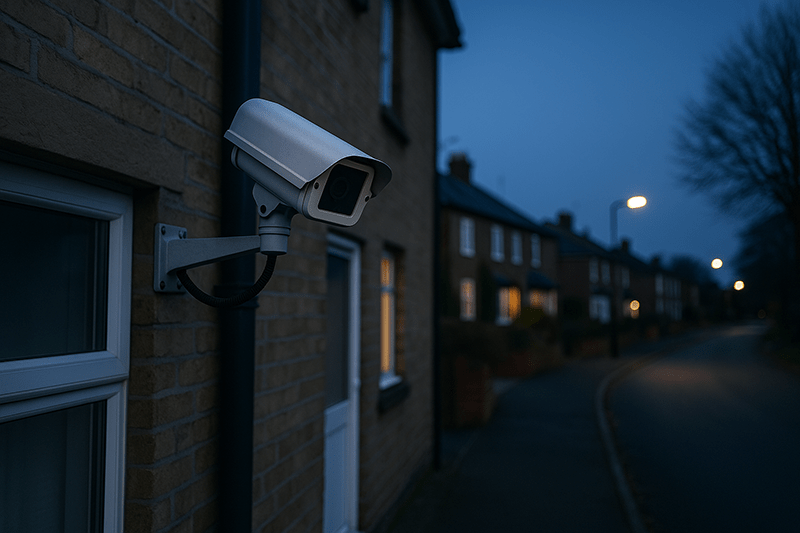
Because these cases often turn on witness evidence, CCTV evidence, forensic reports, and police procedure, building a strong defence requires careful analysis and expert legal knowledge. Our solicitors provide the experience and strategic approach needed to challenge the prosecution and protect your future.
Self-Defence and Its Role in Violent Crime Cases
Self-defence is one of the most common arguments in serious violence and assault allegations. The law recognises that a person may use reasonable force to protect themselves, others, or property when faced with a threat.
In defending allegations, we may need to demonstrate that:
- You reasonably believed you or someone else was in danger
- The force used was proportionate to the threat
- Evidence supports your account, such as CCTV, witness statements, or medical records
These are complex legal issues, and the prosecution must prove that your actions went beyond what was reasonable. Having an experienced solicitor who understands how self-defence applies under the law is essential.
Knife Crime & Weapon Offences
Allegations involving knives, or other weapons are treated extremely seriously by the police and the courts. Even where no-one has been injured, simply having an offensive weapon or a bladed article in a public place can lead to a criminal conviction, a prison sentence and a lasting impact on your future.

The law · Offensive weapons · Bladed articles · Prohibited weapons · Corrosive substances · Mandatory minimum sentences · Definitions

Common examples of knife and weapon allegations include:
Possession of an offensive weapon in a public place
Possession of a bladed article in public
Possession of a prohibited weapon in private (for example knuckledusters, zombie knives or certain types of swords)
Using or threatening someone with a knife, weapon or corrosive substance
Selling or supplying knives or certain bladed articles to someone under 18
Many people facing these allegations did not realise the item they had was classed as a “prohibited weapon”, or believed they had a good reason to carry it – for work, for religious purposes, or as part of a collection. In other cases, the prosecution may allege that an everyday item was intended to be used as a weapon.
At MC Solicitors, we:
Carefully examine whether the item is actually prohibited under the law
Explore whether you had lawful authority, a reasonable excuse or a good reason for having it
Challenge any suggestion that you were using the item to threaten or cause harm
Work to avoid a conviction where possible, or reduce the sentence and minimise long-term consequences
If you or a family member is under investigation or has been charged with a knife or weapon offence, early legal advice is crucial. We are experienced in dealing with these cases and will guide you through every stage of the process, from police interview to court proceedings – because you matter.

Why Choose MC Solicitors?
Choosing the right solicitor can make all the difference to your future. Here’s why clients trust us:
Specialist expertise – Decades of experience defending against sexual offence allegations
Discreet and sensitive support – Complete confidentiality at all times
Proactive defence strategies – We act quickly to protect your reputation and challenge evidence
Proven results – A strong history of achieving charge withdrawals, acquittals, and reduced sentences
We combine legal expertise with genuine care and understanding, helping you navigate this challenging time.
The Legal Process: What to Expect
Being accused of serious violence or assault can be overwhelming, but knowing what lies ahead can make things less daunting.
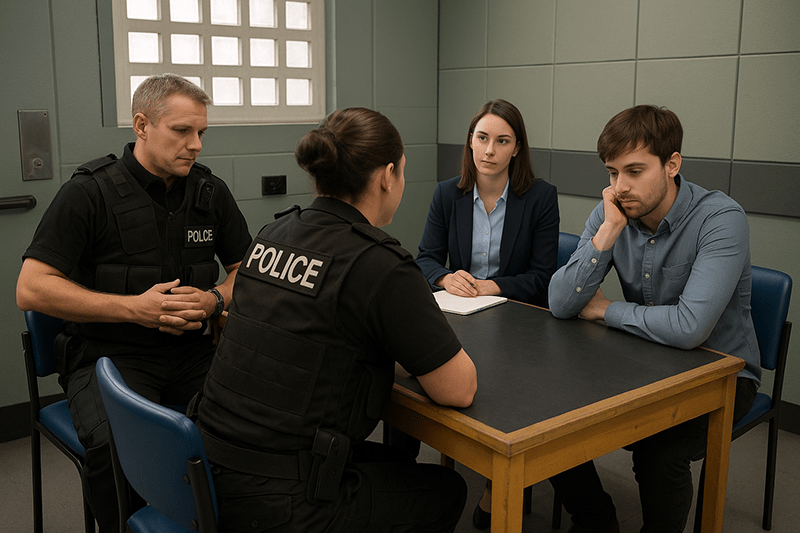
1. Police Interview
If you’re arrested or invited for a voluntary interview:
- Do not speak to the police without legal representation
- We will be present with you to ensure your rights are protected
- We’ll review the evidence, prepare you for questioning, and advise on the best approach

2. Bail and Release
After interview, the police may:
- Release you without charge – No Further Action (NFA)
- Release you under investigation while they gather more evidence (RUI)
- Place you on bail with or without bail conditions
- Charge you formally and move the case to court

3. Preparing Your Defence
If your case proceeds, we will:
- Analyse all evidence against you
- Gather witness statements and supporting material
- Work with leading barristers and experts to strengthen your defence
- Keep you informed and supported at every stage

4. Court Representation
Most serious violence and assault cases are heard in the Crown Court.
We provide robust, strategic defence throughout the proceedings. Mitigating factors are presented to reduce penalties if conviction cannot be avoided
FAQs
- What’s the difference between common assault, ABH, and GBH?
- Can I go to prison for common assault?
- Is self-defence a valid argument?
- What is involuntary manslaughter?
- How do you defend violent crime charges?
- Common assault – causing fear of violence, sometimes without physical contact.
- ABH – assault resulting in minor to moderate injuries.
- GBH – causing serious injury, often with intent.
Yes. While sentences are often fines or community orders, prison is possible depending on the circumstances.
Yes. If reasonable force was used to protect yourself or others, self-defence may apply.
Involuntary manslaughter arises where death occurs without intent to kill, for example through negligence or unlawful but unintended acts.
We examine every detail — CCTV, witness statements, forensic evidence, and police procedure — to expose weaknesses in the prosecution’s case.
Ready for Legal Support?
If you’re facing serious allegations, our team is here to provide expert support. Let us help safeguard your rights.